Getting In Took Luck
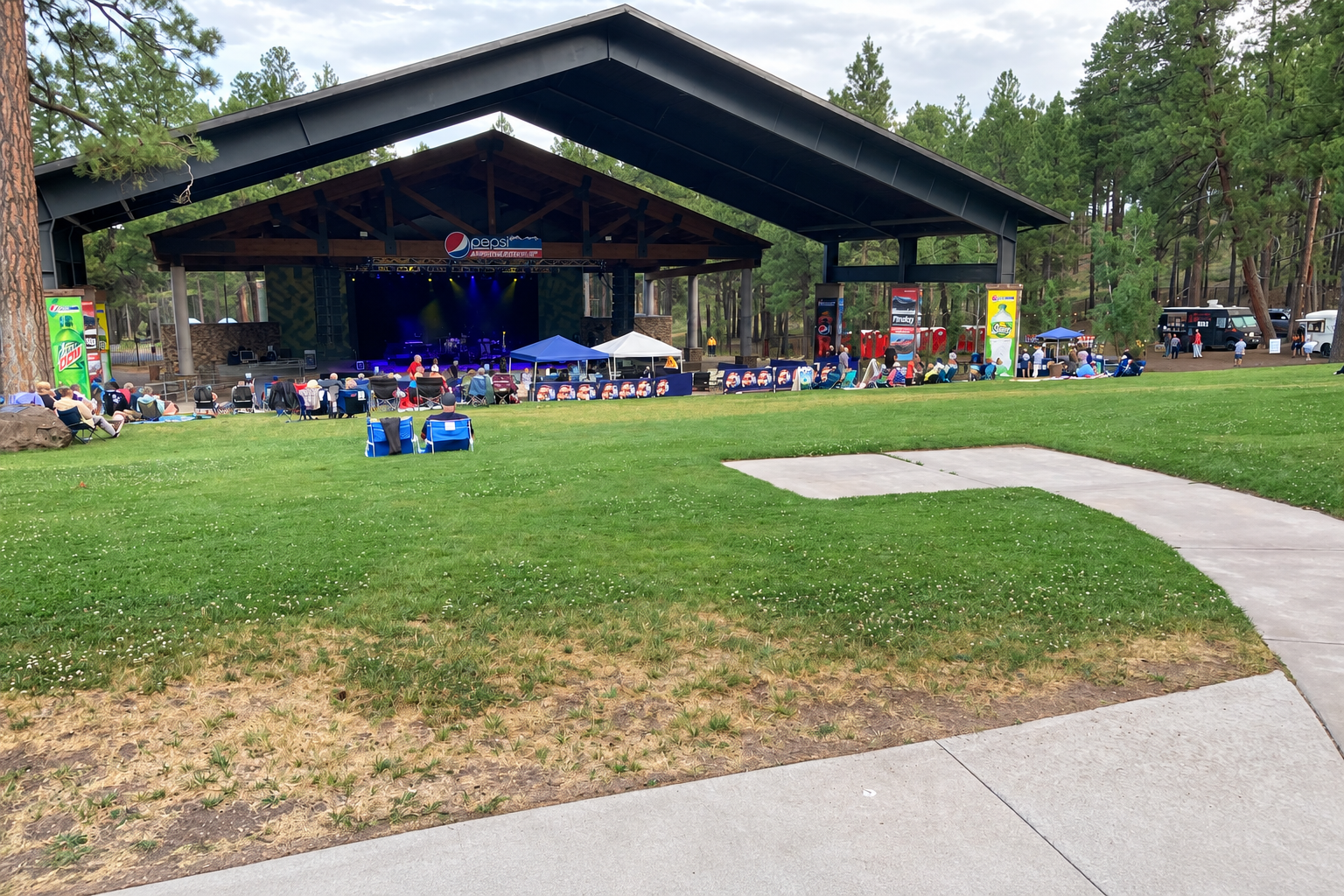
In place of a profile picture, the interviewee submitted an image of one of their favorite places in Flagstaff
A Flagstaff parent and hiring manager loves the life she and her husband have built here. But she credits their ability to buy a home to something they could not have planned: owning their previous homes at just the right time.
Even with that advantage, housing costs have shaped decisions about growing their family, pushed her sister out of the area, and made it harder to hire people at work.
What brought you to Flagstaff?
My husband and I moved here from another community in northern Arizona when we both changed jobs. But when we first arrived, we couldn't find a home in town that met our needs and fit comfortably within our budget. The houses we could afford needed a lot of work, or were townhomes and condos that weren't going to work well for us and our dogs. We could get more and nicer for our money outside of town, so that's where we ended up.
What was living outside of town like?
The drive itself wasn't particularly disruptive. Getting to the west side of Flagstaff was pretty quick. My husband's drive to work took about half an hour.
But if you forgot something at the grocery store, you had to run all the way back into town. And in winter, if the highway shuts down, you could be stuck on one side or the other. Over the years, my husband got tired of that drive.
What finally made you decide to move into town?
We were expecting a child. With daycare runs and everything else ahead of us, we wanted to be closer to work and town.
We ended up with a smaller house and a smaller yard, and it was more expensive. We have a fine house, a fine yard, and we're in a nice neighborhood. But we definitely paid more for less space.
Was finding that house straightforward?
No, it was bumpy and came down to luck.
We got beat out by a cash offer on one house. On another, our offer depended on selling the house we already owned, and we couldn't sell it fast enough. At another house, the sellers accepted a cash offer before we could even submit ours.
With the house we eventually bought, things were moving so fast that it was under contract before my husband even had a chance to see it. But the other buyer backed out, so we got a second chance and were able to buy it.
I was pregnant through all of this. We didn't have to move. But if we were going to, we wanted to get the house set up before the baby came. It was stressful.
You said being able to buy here came down to luck. What do you mean?
Our ability to live in Flagstaff and own a home was very much luck and timing.
Our previous home had gained enough value that selling it gave us a down payment on a house outside of town. We owned that house while interest rates were low and housing prices skyrocketed, during COVID.
We hadn't done a huge amount of work to it. Some landscaping, some painting, things like that. But it increased in value enough that selling it made buying in town possible.
We could buy our current home only because we bought at the right time and rode that wave.
Could you make the same move today?
My husband and I have said this many times: if we still lived where we did before we made the move to the community outside of Flagstaff, we couldn't afford to move here now. There's just no way we could get in.
I'm not sure we could have done it if we'd moved even a few years later. There are a lot of people who just didn't hit the timing right and are in a different position because of it.
Now that you're here, are you happy with the move?
Yes, we love living in town. We're glad we're here.
There's a reason people want to live in Flagstaff. There are trees, there's lots to do, it's an active community. You're on the doorstep of the Grand Canyon and nature and all the things. It's a lovely place to be.
Has the cost of staying here affected decisions about your family?
Yes. We have one child, and we were debating whether to have another.
We added up our living expenses, including daycare for both children. We could have made it work, but we would have had to change our lifestyle significantly, potentially by moving into a smaller home or a cheaper townhome.
I'd say we're fairly well off. We weren't just young and out of college when we became parents. Even for us, finances were part of that decision.
If housing costs were cheaper, we might have considered a second child. There were other factors, but money was definitely one of them.
What else would lower housing costs make possible?
We could travel more and take our child to more places. We could make the home improvements we've been waiting and waiting to afford.
Our heater is getting old, and we've been thinking about replacing our heating and cooling system. That's probably going to have to wait another year.
Maybe we'd buy a camper and do more camping trips with our kid. We'd do a lot more than eat and live in our house and work all the time, you know?
Has housing cost you time with family in other ways?
My sister used to live in the Flagstaff area. Her circumstances changed, and she couldn't afford to stay on a single income, even outside of town. So she moved out of state, where it's much more affordable.
It sucks that we don't have family around here now. It was nice when my sister was here, especially with a child. My kid is missing out on having family nearby. My sister is missing out on being an aunt.
Do you also see the housing problem in your work as a Hiring Manager?
We've had applicants accept a job and then start looking into moving here. Once they tried to find a place to live, they realized they couldn't make it on one income, or couldn't move until their spouse had a job here too.
More than once, people accepted a position and then backed out when they realized they couldn't afford to live here, mainly because of housing costs.
These were potentially well-qualified people who just couldn't afford to live here.
So how do you handle that now?
We learned our lesson. Before we even schedule an interview, we give applicants information about the cost of living, home prices, and rental price ranges.
We want applicants to know that up front. Otherwise, we could spend time on interviews only for them to realize they can't afford to live here.
It almost feels like a scare tactic. You're saying, “Flagstaff's great and all, but this is what your pay range will be, and this is how much it costs just to rent or own.”
How do applicants respond?
I've had people say they appreciate us being up front so they can research it and make an informed decision.
I think we've avoided some of the problem of people backing out after accepting. But that's how we've had to navigate it.
Has your workplace had to put more money toward getting people here?
Yes. For certain positions, we already pay for the move. On top of that, we've had to offer additional relocation incentives over the first few years.
Someone we hired recently said they could afford to move here only because they could count on that incentive.
Whether you're a government entity or a private business, that money comes from somewhere. If you have a set budget, it dips into money you could use for projects or to hire more people. In the private sector, it cuts into profits.
What about people applying for lower-paying jobs?
That's difficult too, especially for seasonal positions. If you're trying to rent a place here for a season and you're making $20 an hour, how do you make ends meet? The math doesn't work. Flagstaff depends a lot on tourism, and we have a lot of service jobs on that lower end of the pay scale. It's getting hard to staff positions because people can't afford to be here.
What would you like local leaders to understand about the housing choices people face?
It feels like there's not a lot in that affordable middle range, especially for people on a single income. Even though we (a dual career income) are doing pretty well, it was hard to find something that worked. And renting can feel like a vicious cycle. Depending on the situation, rent can be as much as or more than a mortgage. But if you don't have money for a down payment, you're stuck renting.
What worries you about Flagstaff's future?
I worry about it becoming a place like Jackson Hole: an expensive mountain town where wealthy people can live, but the people working the service jobs can't afford to be here. I think we're already headed in that direction. I don't see tourism going away. It's a beautiful country, and people are always going to want to come here.
I don't see Flagstaff becoming a ghost town. I see it becoming an unachievable place to live for people who aren't wealthy. Even people who were born and raised here can struggle to stay once they become adults.
We got lucky. I think that's one of the biggest takeaways from our story.
